


















NJ Transit Announces 10-Mile Hudson-Bergen Light Rail Expansion to Englewood
The Northern Branch Project will add seven new stops across five municipalities, connecting Bergen County to the Hudson waterfront.
For years, it was the transit expansion that Bergen County residents were promised but never quite believed would happen. On Friday, November 14th, NJ Transit made it official: the Hudson-Bergen Light Rail will extend 10 miles north with seven new stops, finally connecting communities in Bergen County to the light rail network that has transformed Hudson County’s waterfront.
The project, dubbed the Northern Branch, will bring light rail service to North Bergen, Ridgefield, Palisades Park, Leonia, and Englewood, with the line terminating at Englewood Hospital. For commuters in these communities, the expansion promises a direct connection to Hoboken, Jersey City, and the PATH trains that link to Manhattan.
The announcement represents the most significant expansion of the Hudson-Bergen Light Rail since its original opening in 2000. That initial system connected Bayonne to Hoboken along the Hudson River waterfront, later extending to North Bergen. The Northern Branch had been discussed for decades but repeatedly stalled due to funding constraints and competing priorities.
NJ Transit officials emphasized that the project has cleared major planning hurdles and now has committed state and federal funding. Construction timelines were not immediately provided, but officials suggested that the project could begin in earnest within the next few years.
For the municipalities along the proposed route, the expansion carries significant implications. Light rail access typically spurs development around station areas, attracting both residential and commercial investment. Towns like Palisades Park and Leonia, which have maintained relatively modest densities compared to Hudson County, could see pressure to add housing and retail near their new stations.
The project also addresses a long-standing inequity in regional transit access. While communities along the Hudson waterfront have benefited from light rail service for a quarter century, neighboring towns just a few miles inland have been left out. Residents of Bergen County who want to use light rail currently must drive or take a bus to reach existing stations, adding time and complexity to their commutes.
Transportation advocates have long argued that extending the light rail makes sense both for commuters and for the broader goals of reducing car dependency and greenhouse gas emissions. The Route 4 and Route 46 corridors through Bergen County are among the most congested in the state, and providing an attractive transit alternative could ease pressure on overburdened roads.
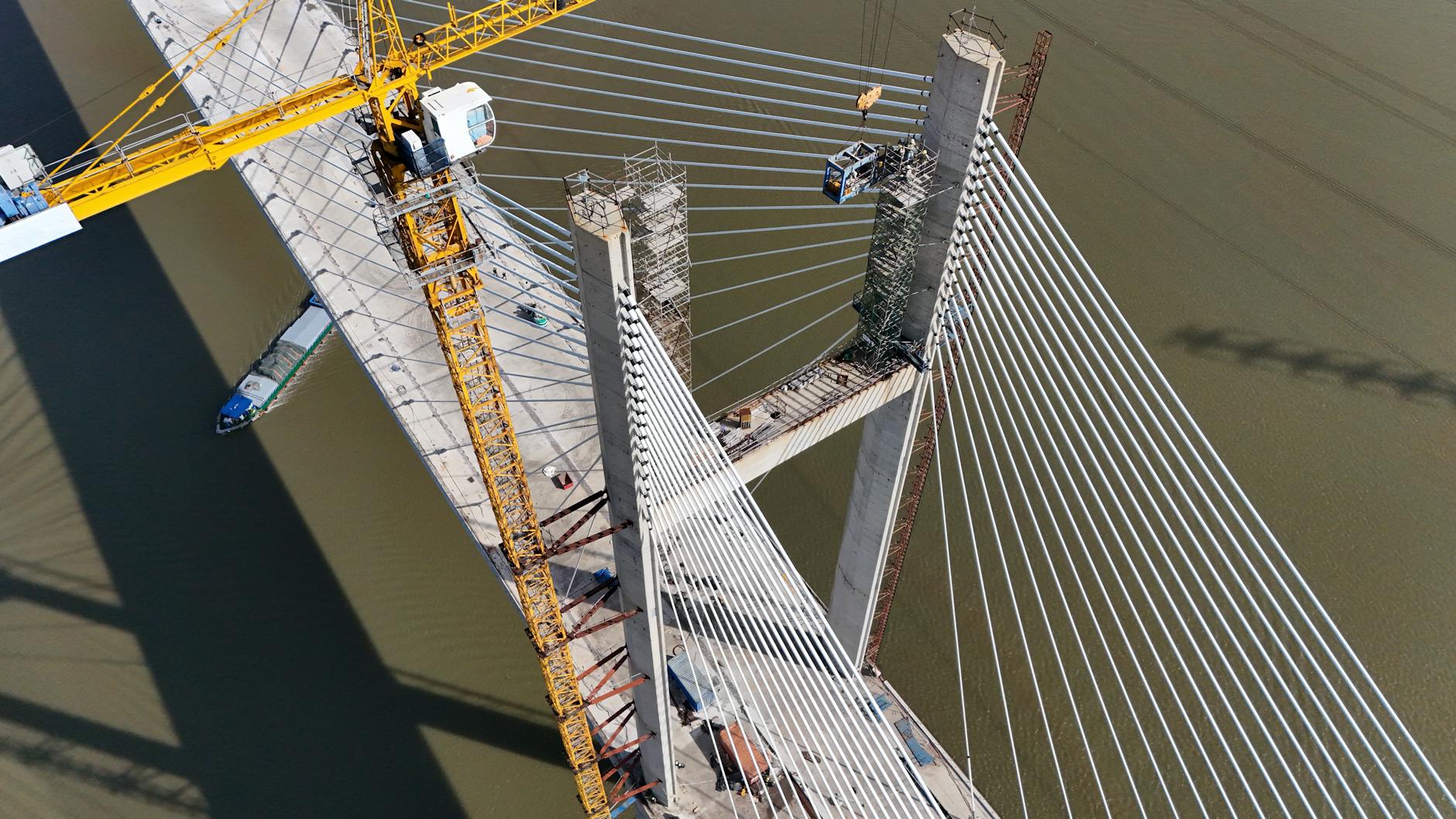
The expansion also comes at a time when NJ Transit is investing heavily in its existing rail infrastructure. Earlier this month, the agency’s board authorized $917 million to overhaul its fleet of 429 multilevel rail cars. Work continues on the long-delayed Portal North Bridge, which recently entered its final construction phase.
For Governor Phil Murphy, the announcement caps a tenure that has seen significant investment in public transit, even as the agency has struggled with service reliability and fare enforcement challenges. NJ Transit recently began implementing ticket-checking staff and fare gates at stations to combat fare evasion, which the agency estimates has cost approximately $80 million.
Details on specific station locations, construction schedules, and service frequency will be released as the project advances through subsequent planning phases. For now, residents along the Northern Branch corridor have something they have waited decades to receive: a concrete commitment that light rail is coming their way.