











New Jersey Lawmakers Propose Tax Breaks to Save Iconic Diners
The Saving Our Diners and Protecting Our Past Act would exempt qualifying diners from sales tax and create new tax credits for historic eateries.
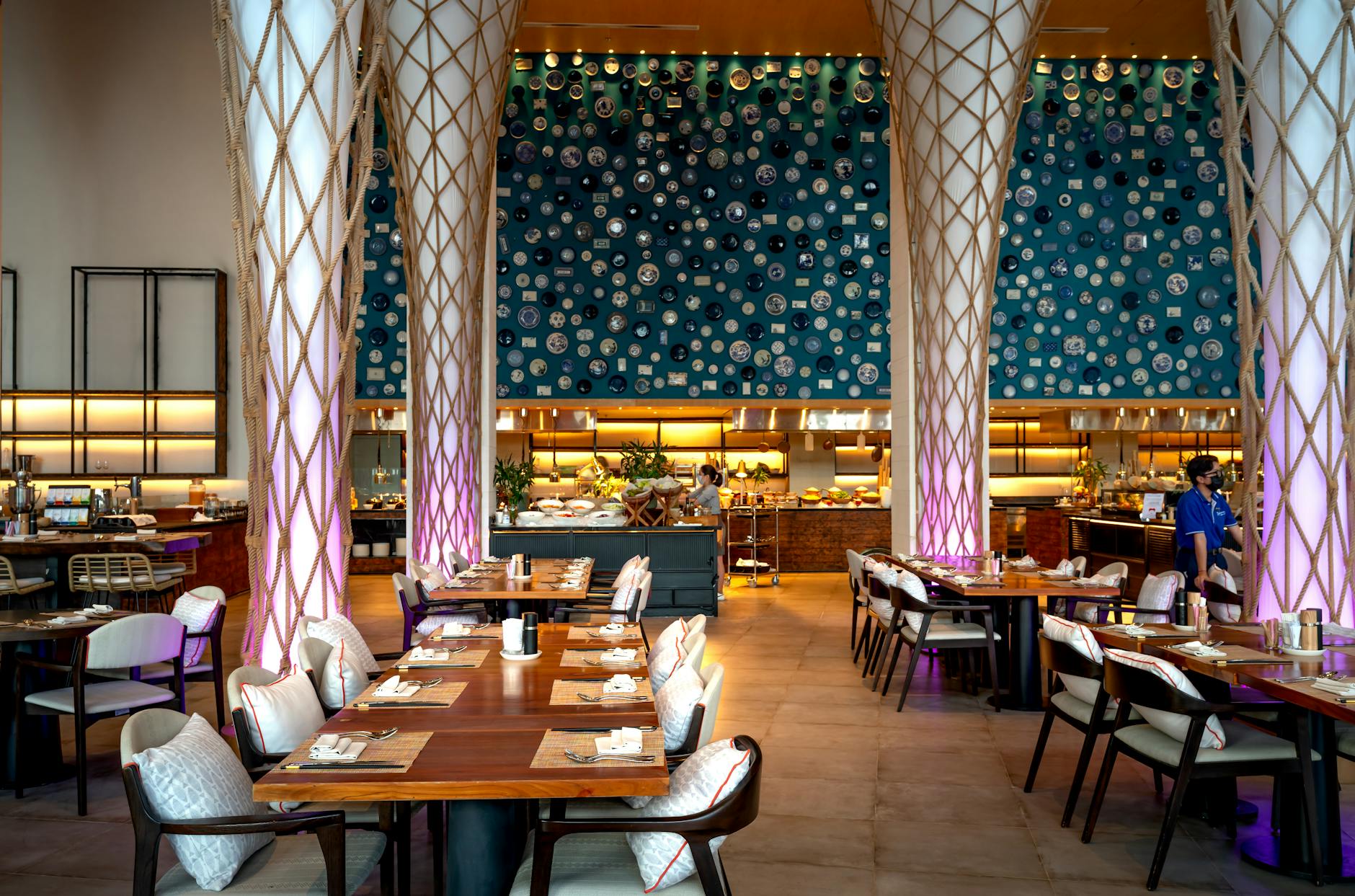
In the Diner Capital of the World, an alarming number of chrome-trimmed landmarks are going dark. Now state lawmakers are proposing a legislative lifeline to keep these beloved institutions alive.
The “Saving Our Diners and Protecting Our Past Act,” introduced by Senator Paul Moriarty and Assemblyman Lou Greenwald, both Democrats from South Jersey, would exempt qualifying diners from sales tax on food and beverages consumed on premises. The bill would also create a registry of historic eateries and offer tax credits to help struggling establishments stay afloat.
Under the proposed legislation, diners and restaurants that have operated continuously for at least 25 years could apply for the historic registry. Once listed, they would be exempt from collecting sales tax on dine-in meals, giving customers an immediate incentive to choose their local diner over chain competitors.
The bill also includes two non-refundable tax credits worth up to $25,000 each, equaling ten percent of spending on ingredients used for meals and drinks. For diner owners operating on razor-thin margins, such credits could make the difference between keeping the griddle hot and calling it quits.
The sponsors point to a grim tally of recent closures that underscores the urgency. The 58-year-old Cherry Hill Diner shut its doors this year, joining the 38-year-old Townsquare Diner and the 85-year-old Miss America Diner in Jersey City among the casualties. More than 30 landmark diners across New Jersey have closed, been demolished, or relocated over the past decade.
“These aren’t just restaurants,” Moriarty said. “They’re community gathering places, they’re pieces of our history, and once they’re gone, they’re gone forever.”
The reasons behind the diner decline are complex. Rising costs for ingredients, labor, and property taxes have squeezed profit margins. A graying customer base has changed dining habits, with younger generations less likely to seek out the classic diner experience. The COVID-19 pandemic delivered a devastating blow to many establishments that never fully recovered.
For diner owners who have weathered these challenges, the proposed legislation offers hope. But some food and dining industry observers caution that tax breaks alone may not be enough to reverse the trend.
“The fundamental economics of running a diner have changed,” said one restaurant consultant who works with New Jersey establishments. “You need to find new customers and give people a reason to come in. Tax credits help, but they don’t solve the bigger problem.”
Still, supporters argue that every bit helps, and that preserving New Jersey’s diner heritage is worth the investment. Diners have been part of the state’s identity for generations, serving as backdrops for countless movies, television shows, and Bruce Springsteen songs. They are where families gather after little league games, where night owls find refuge at 3 a.m., where deals are struck over coffee and pie.
The bill now awaits consideration in the Legislature. Given the bipartisan appreciation for New Jersey diners, supporters are optimistic it could gain traction in the coming session.
Meanwhile, the closures continue. Earlier this month, Canal House Station, a popular farm-to-table restaurant near the Delaware River, announced it would close permanently after six years. And on Long Beach Island, Rare Company shuttered after its owners cited their growing family as the reason to step away.
For every closure, the chorus grows louder: something must be done to save New Jersey’s diners before it’s too late.