




















New Jersey Pharma Giants Continue to Dominate Fortune 500 Rankings
With 14 companies on the Fortune 500, including pharma leaders Johnson & Johnson and Merck, New Jersey remains the medicine chest of the world.
New Jersey’s reputation as the medicine chest of the world remains firmly intact, with the state’s pharmaceutical giants continuing to anchor the Fortune 500 and drive billions of dollars in economic activity across the region.
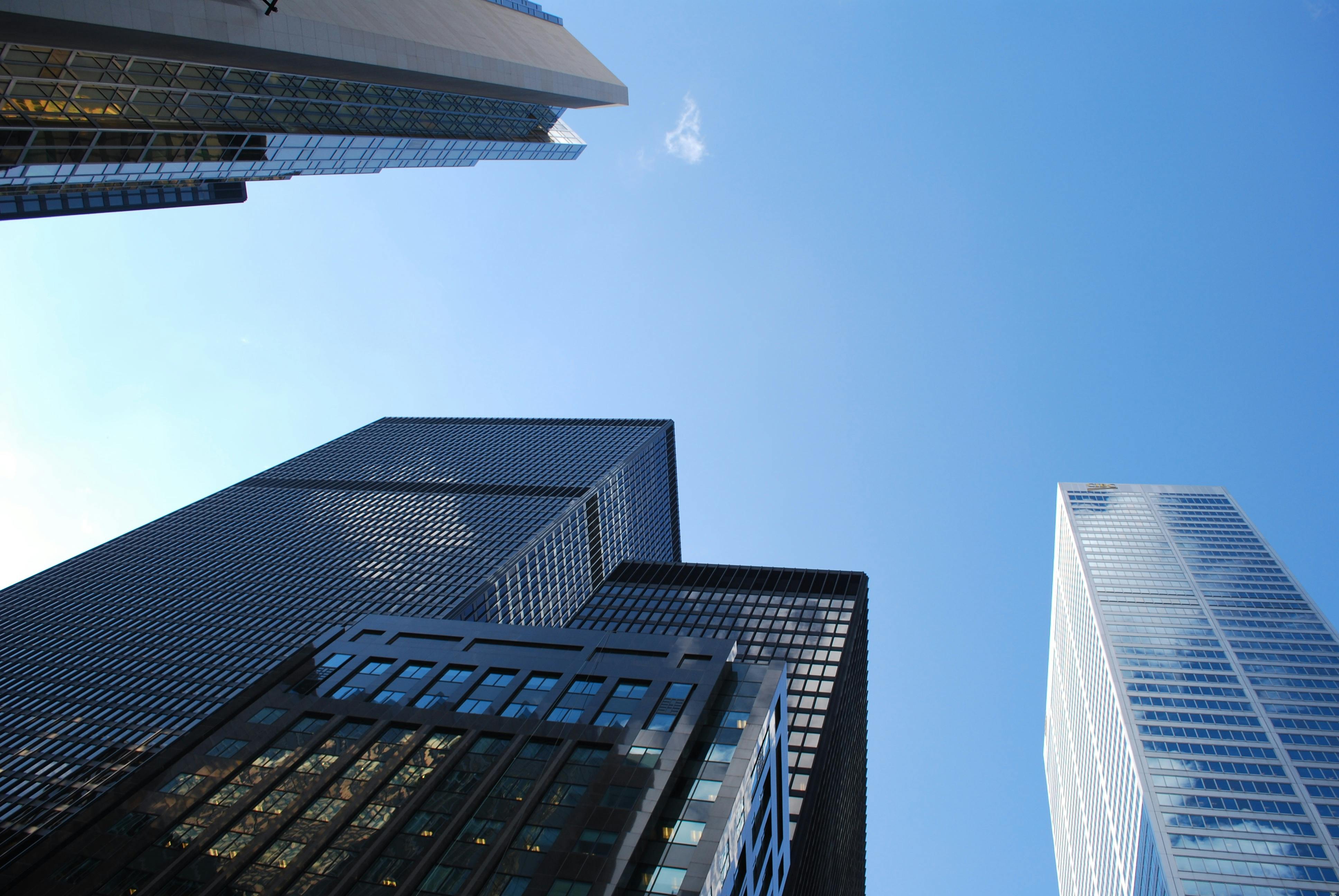
The annual Fortune rankings released this year placed Johnson & Johnson at number 42 and Merck at number 67 among the nation’s largest companies. The two Central Jersey stalwarts were joined by 12 other Garden State businesses on the prestigious list, including Prudential Financial at number 81 and Bristol-Myers Squibb at number 98.
For New Brunswick, home to Johnson & Johnson’s global headquarters for nearly 140 years, the numbers translate into real economic impact. The healthcare giant employs more than 15,000 New Jersey residents and spends approximately $3 billion annually with local suppliers. The company’s presence has shaped the city’s identity and driven development in the surrounding region.
This year brought additional good news for workers and communities that depend on the pharmaceutical sector. Johnson & Johnson announced a $55 billion investment in the United States over the next four years, with significant portions earmarked for research and development, technology, and manufacturing. While the company has not specified exactly how much will flow to New Jersey operations, the commitment signals continued confidence in the state’s life sciences ecosystem.
“When J&J invests, the ripple effects are felt throughout Central Jersey,” said one economic development official. “From construction workers building new facilities to scientists staffing laboratories to the restaurants and shops that serve those workers, the business impact is enormous.”
Meanwhile, Merck continues to anchor Rahway’s economy while maintaining its position as one of the world’s leading research-intensive biopharmaceutical companies. The company made headlines this year with a $9.2 billion acquisition of Cidara Therapeutics, picking up an influenza antiviral that had been dropped by Johnson & Johnson’s Janssen unit.
The deal illustrates the competitive dynamics within an industry where New Jersey companies often find themselves on both sides of major transactions. It also demonstrates the state’s continuing role as a center for pharmaceutical deal-making and innovation.
Across the state, the life sciences sector accounts for nearly 30 percent of commercial real estate leases, according to recent data from JLL. That activity spans not just the established pharmaceutical giants but also hundreds of smaller biotechnology companies that have clustered around the major players.
According to the New Jersey Economic Development Authority, the state is home to headquarters or major facilities for 14 of the world’s largest biopharmaceutical companies. Together, these operations employ approximately 115,000 people, making the sector one of the state’s most significant employers.
The concentration of pharmaceutical talent has also attracted new entrants. Sun Pharmaceutical Industries, the world’s fourth largest specialty generic pharmaceutical company, recently announced plans to open a new U.S. headquarters in Princeton, creating 220 jobs with support from state tax credits.
For workers in Central Jersey, the pharmaceutical sector offers some of the highest-paying jobs in the region. Scientists, engineers, regulatory specialists, and manufacturing technicians command salaries well above the state median, contributing to the area’s economic vitality even as other industries have struggled.
As the year draws to a close, New Jersey’s pharmaceutical industry appears well-positioned for continued growth. The combination of established giants and emerging innovators ensures that the state will remain central to the global healthcare industry for years to come.