






















NJEDA Approves $143 Million in Tax Credits for Jersey City, Atlantic City Housing
The Aspire Program awards will support 537 housing units, including 267 affordable residences, in two of the state's largest cities.
The New Jersey Economic Development Authority Board has approved tax credit awards under the Aspire Program for major residential projects in Jersey City and Atlantic City, adding to the state’s efforts to address a persistent housing shortage.
The two projects represent a collective investment of more than $143 million and will support the creation or preservation of 537 housing units. Crucially, 267 of those units, nearly half the total, will be designated as affordable housing, addressing one of the state’s most pressing needs.
The Aspire Program, established to incentivize development in targeted areas, offers tax credits to developers who commit to building in communities that need investment and include affordable housing components in their projects. The program has become a key tool in the Murphy administration’s effort to promote equitable development across New Jersey.
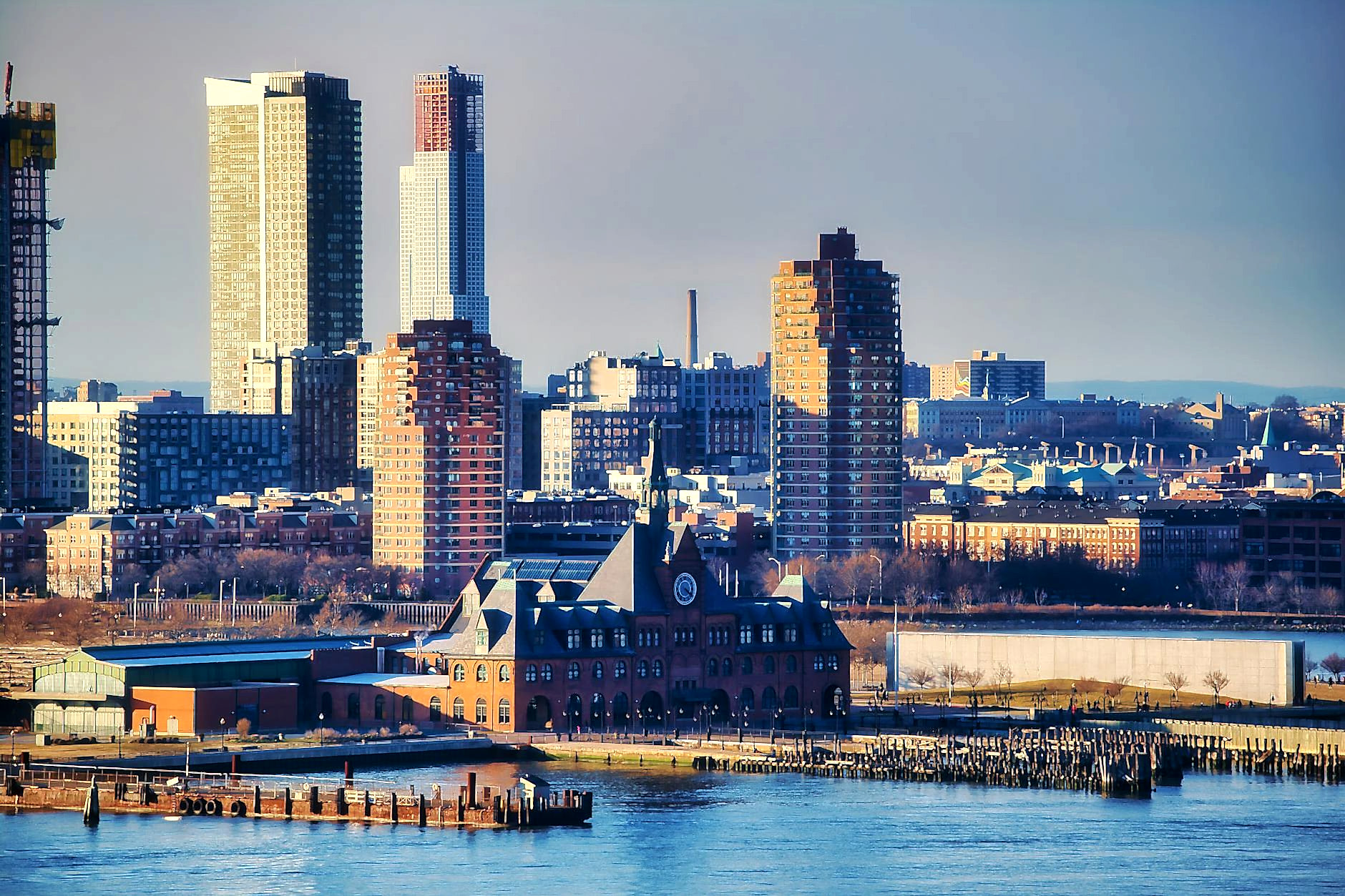
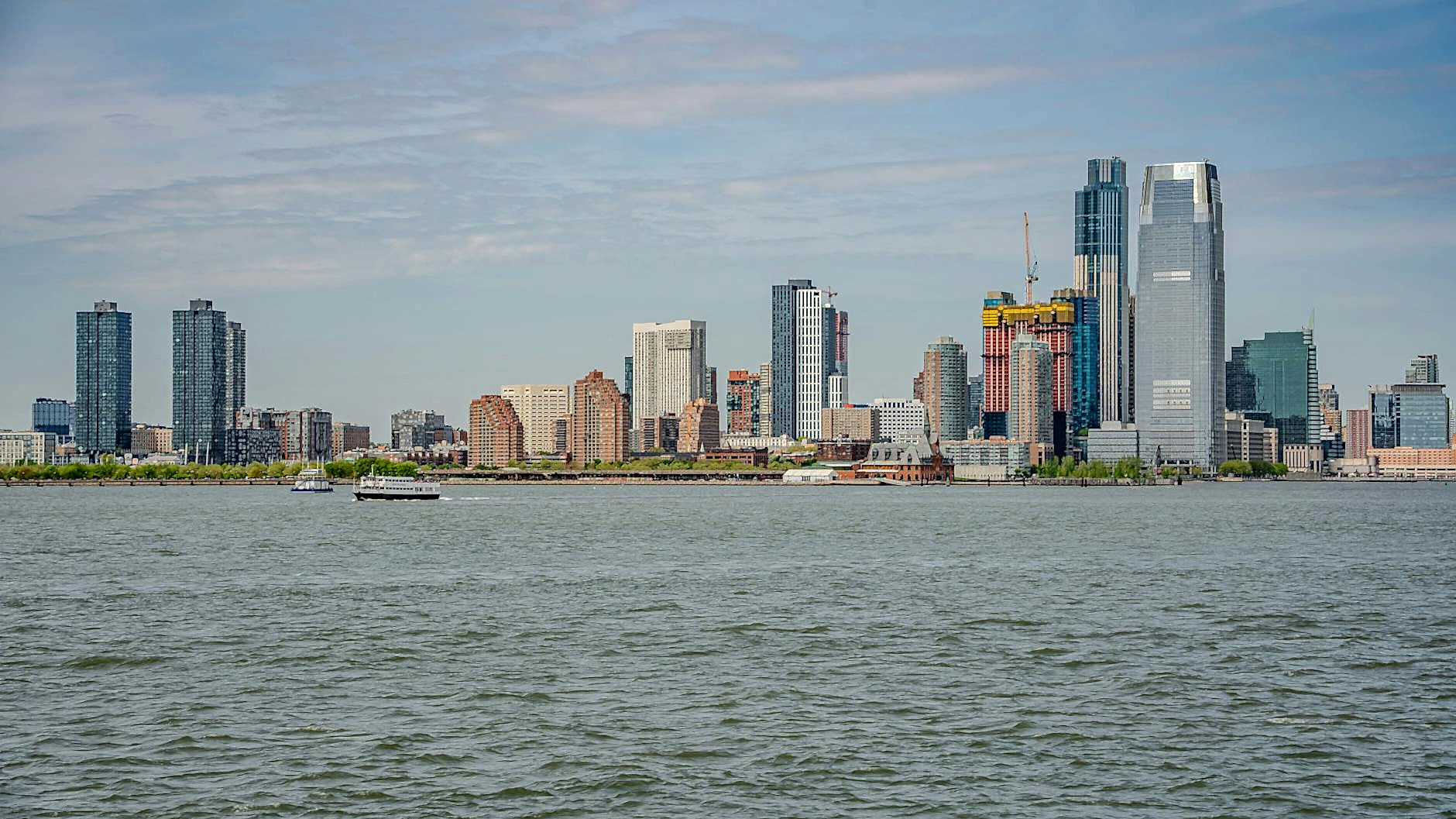
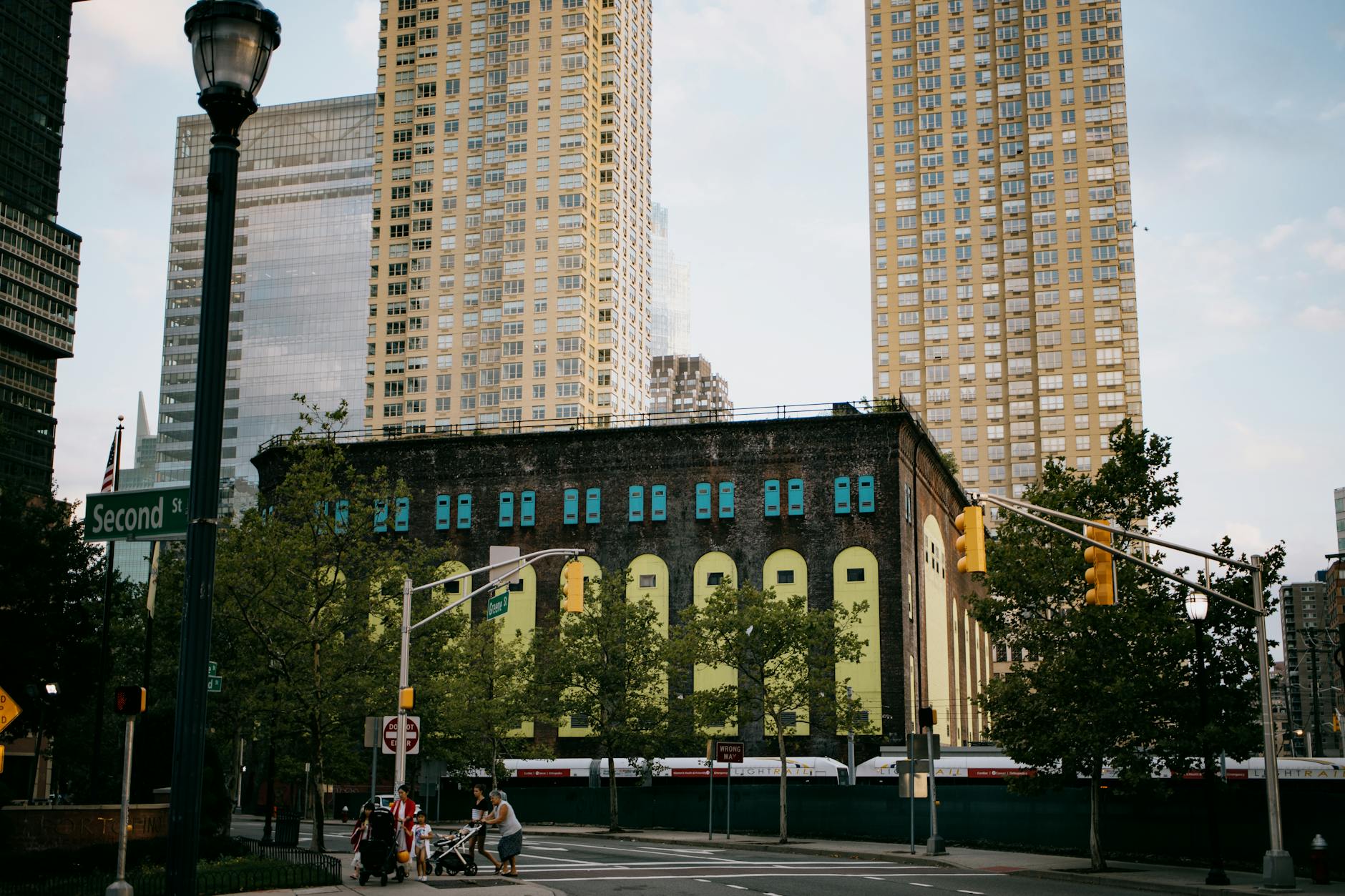
For Jersey City, already one of the fastest-growing cities in the state, the approved project adds to a pipeline of residential construction that has transformed the waterfront and downtown areas over the past two decades. The city’s tight housing market has pushed rents and home prices higher, making affordable units increasingly scarce for working families.
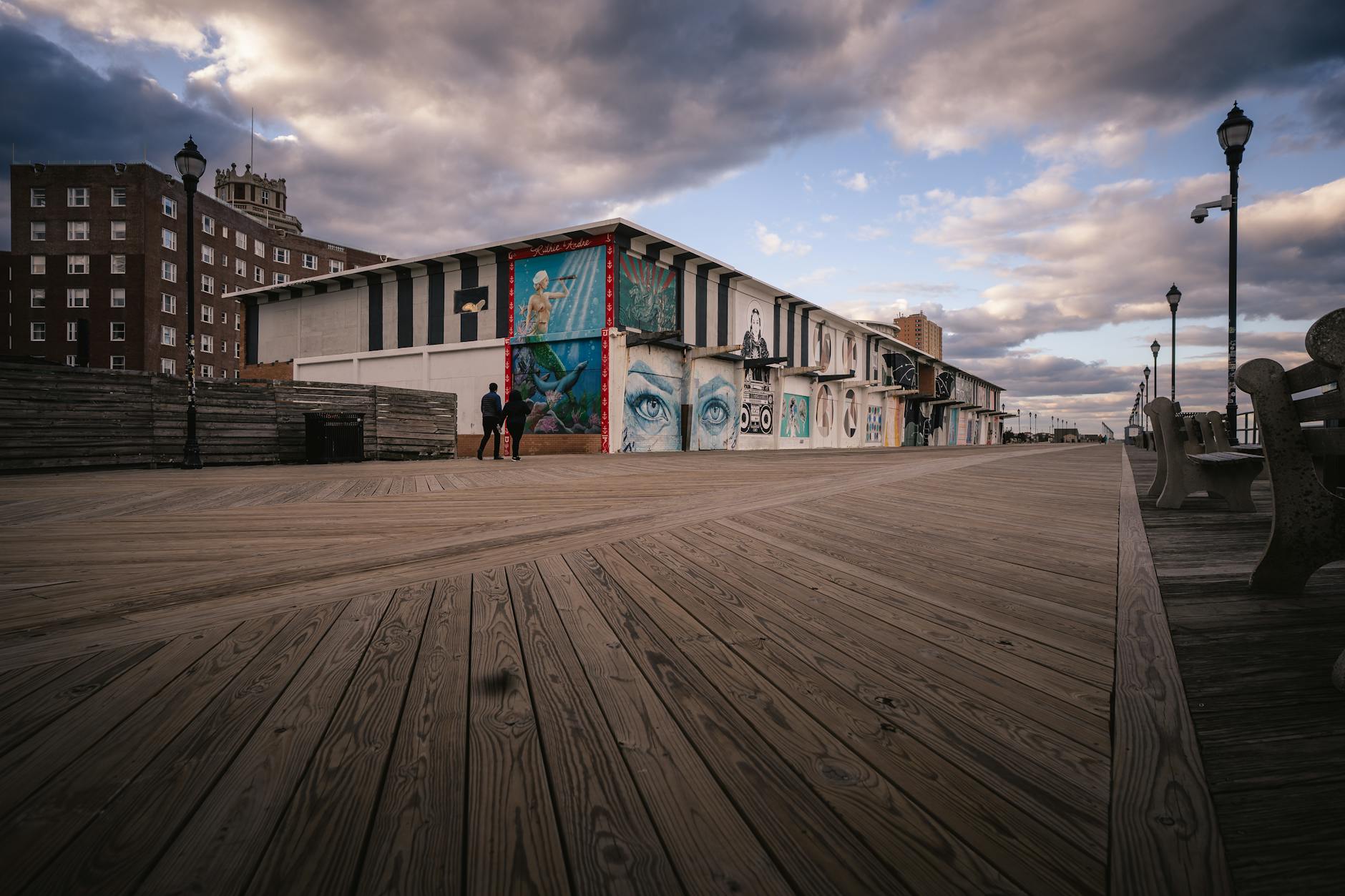
Atlantic City presents a different challenge. The resort city’s economy, heavily dependent on casino gaming, has struggled to diversify, and population decline has hollowed out some residential neighborhoods. New housing investment, particularly with an affordable component, could help stabilize communities and attract residents who might otherwise look elsewhere.
The NJEDA approvals are part of a broader effort to address New Jersey’s housing crisis through multiple channels. The state has only 3.2 months of housing supply, far below the six months considered a balanced market. Home prices continue to climb, with the statewide median sales price rising 5.4 percent to $525,000 in 2025. Single-family homes now command a median price of $600,000.
For renters, the squeeze is even more acute. Affordable units are increasingly hard to find, and those that exist often have long waiting lists. Programs like Aspire aim to increase the overall supply while ensuring that new construction includes options for households that cannot afford market-rate rents.
The board also recently approved five additional projects in Essex, Mercer, and Middlesex counties that will create more than 1,146 housing units, with 544 designated as affordable. Taken together, these approvals signal a sustained commitment to addressing housing needs across the state.
Critics of tax credit programs argue that developers benefit from public subsidies while communities bear the costs of increased density and infrastructure demands. Supporters counter that without incentives, many projects would never pencil out, particularly those with meaningful affordable housing requirements.
Governor Phil Murphy has made housing a priority, but progress has been uneven. Local zoning decisions, community opposition, and the high cost of construction in New Jersey all present barriers. The Aspire Program attempts to overcome some of these challenges by making development financially viable in locations where it might otherwise not occur.
As the state prepares for a transition to the Sherrill administration in January, housing policy will remain a central concern. The new governor has signaled support for continued investment in affordable housing, though specific policy priorities are still taking shape.
For now, the approved projects in Jersey City and Atlantic City represent concrete progress, 537 units that will soon house New Jersey families who need a place to live.