
























New Jersey's Blue Acres Program Emerges as National Model for Climate Buyouts
With 1,200 properties acquired and $234 million invested, New Jersey's flood-prone home buyout program is being studied by states nationwide.
In the aftermath of Hurricane Sandy, thousands of New Jersey homeowners faced an agonizing question: rebuild in a flood zone or walk away from everything they had known. For many, the state’s Blue Acres program offered a third option, one that is now being studied as a template for climate adaptation across the country.
Since its inception in 1995, the Blue Acres program has acquired approximately 1,200 properties using more than $234 million in federal and state funds. The concept is straightforward: the state pays fair market value to homeowners in flood-prone areas, demolishes the structures, and permanently preserves the land as open space. The homeowners get a fresh start, and the state eliminates properties that would otherwise flood repeatedly, requiring expensive rescues and repairs.
A new report from the Georgetown Climate Center calls the program a model for other states grappling with climate-related flooding. The report credits Blue Acres with achieving “significant results” by moving faster than federal buyout programs, maintaining a stable source of state funding, and shepherding homeowners through what can be an overwhelming bureaucratic process.
“What makes Blue Acres work is the combination of state commitment and community engagement,” said one environment policy researcher familiar with the program. “They don’t just buy properties. They work with communities to identify which areas make sense for buyouts and help residents navigate the process.”
The program gained momentum after Hurricane Sandy devastated the state in 2012. Communities along the Raritan Bay, including Sayreville and Woodbridge, saw entire neighborhoods wiped out by storm surge. For many homeowners, the prospect of rebuilding only to face another catastrophic flood was unacceptable.
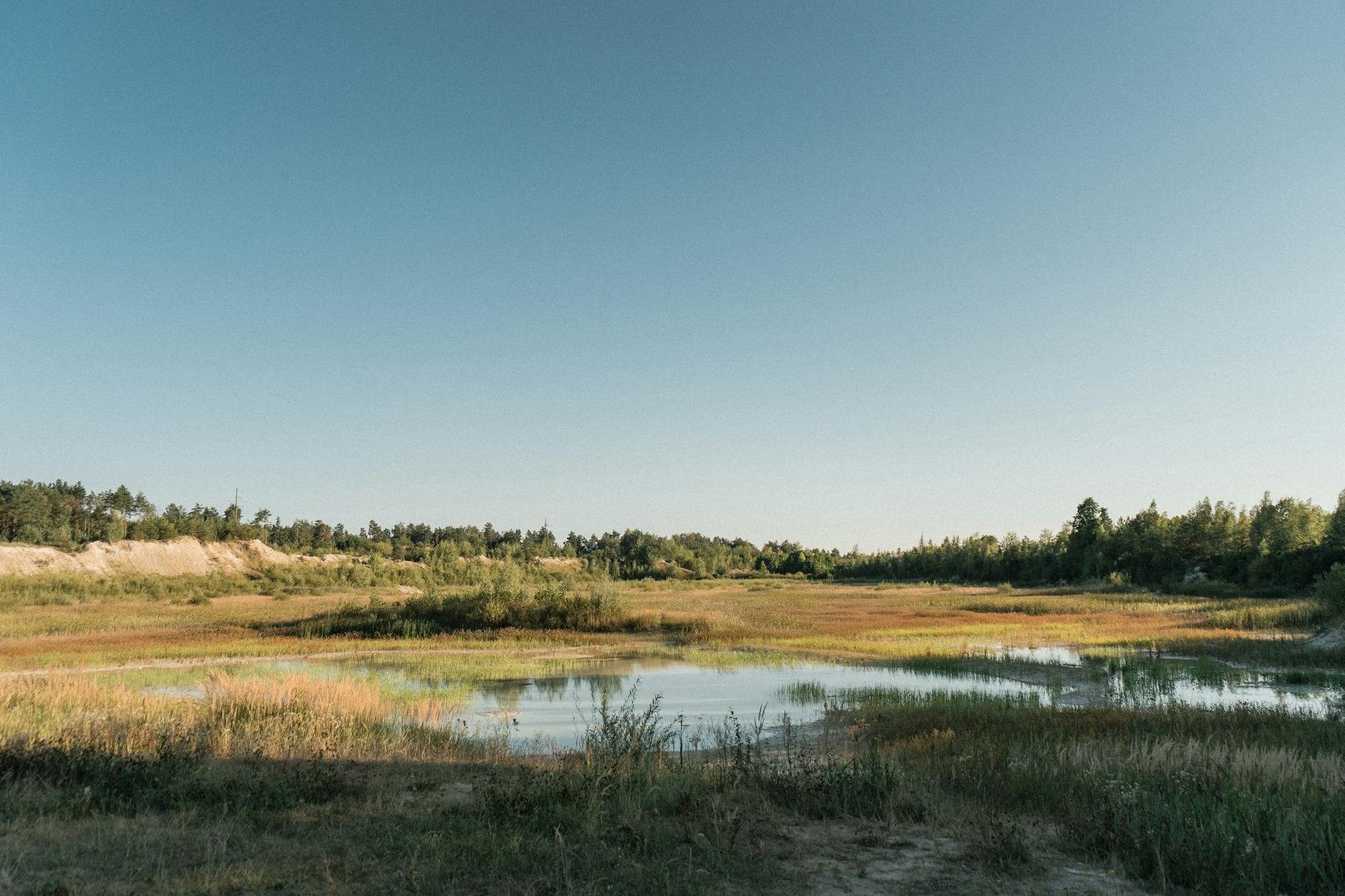
Blue Acres offered an alternative. Rather than fighting against nature, the program acknowledged that some areas are simply not suitable for development. By acquiring flood-prone properties and converting them to green space, the state creates natural buffers that can absorb future flooding while eliminating the need for repeated disaster relief.
The approach has drawn attention from policymakers in states facing similar challenges. As climate change intensifies rainfall and raises sea levels, flooding is becoming more frequent and more severe across the country. Traditional strategies, such as building higher levees or requiring flood insurance, can only go so far. Buyouts offer a more permanent solution.
But the program is not without challenges. For homeowners who have spent decades in a community, leaving is never easy, even when the alternative is repeated flooding. Some critics argue that buyout programs can be slow and bureaucratic, leaving families in limbo for years. Others worry that the focus on individual properties ignores the need for broader infrastructure investments.
Supporters counter that Blue Acres has worked to address these concerns. The program provides counseling and assistance to help homeowners find new housing, and the state has worked to streamline the acquisition process. The stable funding from New Jersey’s corporate business tax ensures that the program can operate continuously rather than lurching from one disaster to the next.
As climate impacts accelerate, the lessons from Blue Acres are likely to become even more relevant. For New Jersey, a state that has already experienced some of the worst flooding in the nation, the program represents a pragmatic acknowledgment that sometimes the best defense against nature is strategic retreat.